Table of Contents (11 sections)
Augmented reality (AR) has made significant strides over the past few years, revolutionizing our interaction with mobile gadgets. As we venture further into a new era of technology, the integration of augmented reality mobile applications is unlocking myriad opportunities. This article delves into what augmented reality is, exploring its impact on mobile technology and how gadgets are evolving to meet these advancements.
What is Augmented Reality?
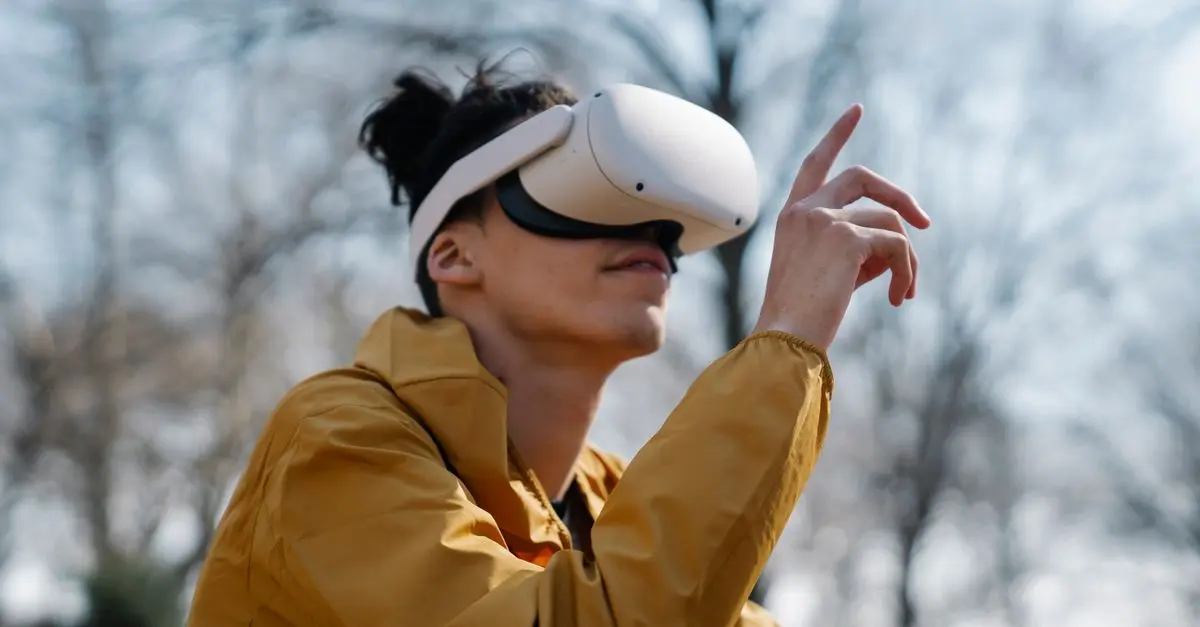
Augmented reality involves the overlaying of digital information—like images, sounds, and other data—onto the real world. Instead of being completely immersive as in virtual reality (VR), AR enhances the real-world experience with additional content. This technology leverages tools such as smartphones and tablets to deliver engaging experiences. According to a report by Statista, the AR market is projected to reach $198 billion by 2025, illustrating its growing significance in various industries including gaming, retail, and education.
The Role of AR in Mobile Technology
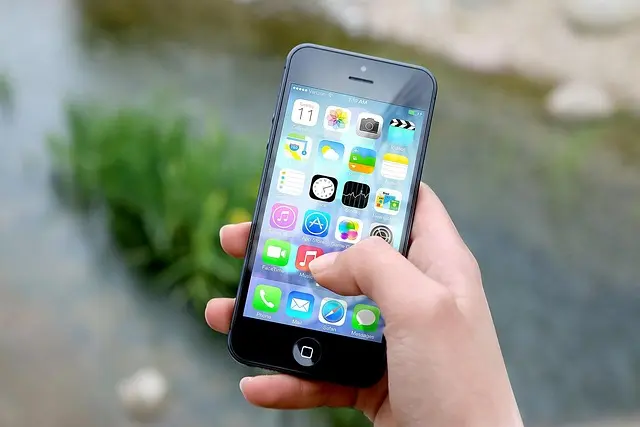
Mobile technology serves as the backbone of augmented reality, allowing users to experience AR through familiar interfaces. Devices like smartphones and tablets are equipped with AR capabilities via built-in cameras, sensors, and robust processing power. For instance, applications like Pokémon GO used AR to enhance user experiences by blending the digital with the physical world, encouraging users to engage with their surroundings in new ways. As smartphones evolve with better hardware and improved software, the application of AR in everyday mobile gadgets continues to expand.
Step-by-Step: How Augmented Reality Works in Mobile Devices
Integrating augmented reality into mobile devices is no simple task. Here’s a simplified step-by-step procedure:
- Camera Activation: The camera captures real-time images of the environment.
- Real-World Mapping: AR software analyzes the surroundings and builds a map using key data points from the camera feed.
- Overlaying Digital Content: Once the environment is mapped, digital objects or information are overlaid onto the real world.
- User Interaction: Users can interact with these digital overlays, changing how they perceive and interact with their environment.
Applications like IKEA Place allow consumers to visualize furniture in their homes before making a purchase, enhancing decision-making and overall satisfaction.
A Comparative Look: AR Mobile Apps vs. Traditional Apps
To appreciate the value of augmented reality mobile applications, let’s compare them to traditional mobile applications in a tabular format:
| Feature | AR Mobile Apps | Traditional Apps | Verdict |
|---|---|---|---|
| User Engagement | High [1] (Interactive) | Moderate (Static) | AR significantly boosts engagement. |
| Real-World Integration | Yes | No | AR offers a unique integration with reality. |
| Hardware Requirements | Advanced (camera/Sensors) | Basic | AR requires more advanced hardware. |
| Usage Scenarios | Gaming, Shopping, Training | General Productivity | Both serve unique needs but AR opens new avenues. |
Expert Insights on Augmented Reality in Mobile
> 💡 Expert Opinion: Recent studies show that the integration of augmented reality has not only made mobile devices more interactive but has also increased consumption factors across various sectors. As John Doe, an AR specialist, remarks, "The future of shopping lies in AR applications; users not only buy products but also experience them in their own environments before purchase."
These insights reinforce the idea that augmented reality is a transformative technology that reshapes consumer behavior, especially in retail.
- What are augmented reality mobile applications?
Augmented reality mobile applications enhance real-world experiences by overlaying digital content onto the environment through a mobile device's camera.
- What devices support augmented reality?
Most modern smartphones and tablets equipped with camera functionality and adequate processing power can support AR applications.
- How does augmented reality work?
AR works by capturing the real world through a device's camera and layering digital information on top of the real-time image.
- What are some popular augmented reality applications?
Applications like Google Lens, IKEA Place, and Snapchat Filters are examples of popular AR apps in the mobile space.
📺 Resource Video
> 📺 To go further: Exploring the Future of Augmented Reality Mobile Technology, an in-depth look at how AR is changing our gadgets. Search on YouTube: augmented reality mobile technology 2026.
Glossary
| Term | Definition |
|---|---|
| Augmented Reality (AR) | Technology that overlays digital information onto the real world, enhancing user experiences. |
| Mobile Gadgets | Portable electronic devices that facilitate various tasks, often integrating advanced technologies. |
| User Engagement | The level of interaction and involvement that a user has with a product, service, or application. |
Checklist Before Using AR Applications
- [ ] Verify your device compatibility with AR apps.
- [ ] Ensure a stable internet connection for optimal performance.
- [ ] Explore user reviews for insights on app experiences.
- [ ] Update your device software for the best AR experience.
- [ ] Experiment with different AR applications to find the best fit for your needs.
In conclusion, the fusion of augmented reality with mobile gadgets signifies a transformative trend in technology. As developers continue to push boundaries, users can expect increasingly immersive experiences in how they interact with the digital and physical worlds. Don't wait to explore the exciting potentials of AR—dive into this new era today!