Table of Contents (10 sections)
In recent years, augmented reality (AR) has taken significant strides in the technology landscape, particularly in the realm of mobile gadgets. This innovative technology merges the real world with virtual elements, allowing users to experience their environment in new and exciting ways. As we delve into how AR is changing mobile gadgets, we will explore its applications, benefits, and the challenges it faces.
Understanding Augmented Reality in Mobile Gadgets
What is Augmented Reality?
Augmented reality is a technology that overlays digital information, such as images, sounds, or other data, onto the real world in real-time. Unlike virtual reality (VR), which creates a completely immersive environment, AR enhances the user's existing surroundings.
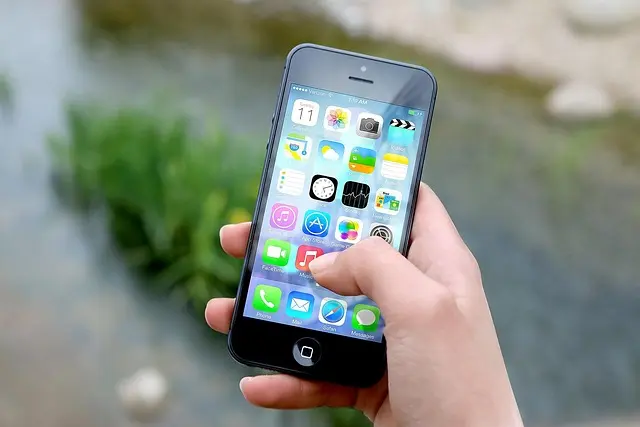
For instance, with a mobile gadget equipped with AR capabilities, a user could point their smartphone camera at a restaurant and see reviews, menu items, and even wait times displayed directly on the screen. Major companies like Apple and Google have integrated AR technology into their mobile operating systems, enhancing customer engagement and utility.
Why is AR Important for Mobile Gadgets?
As consumer expectations grow, integrating AR into mobile gadgets offers innovative solutions that meet these demands. For example, AR can enhance travel experiences by providing interactive maps that overlay historical information as users explore landmarks. With approximately 80% of smartphone users engaging with AR every month, its relevance continues to increase significantly.
Moreover, AR enables brands to create more interactive marketing campaigns, allowing consumers to visualize how a product will look in their environment before purchasing. This trend is reshaping consumer behavior, promoting informed purchasing decisions, and decreasing return rates.
The Practical Steps to Utilizing Augmented Reality
How to Make the Most of AR in Mobile Gadgets
- Upgrade Your Device: First, ensure that your mobile gadget supports AR applications. Newer models from various brands typically offer enhanced AR features.
- Choose the Right Apps: Depending on your interest, download AR apps related to your needs—whether for gaming, education, or shopping.
- Engage with Your Environment: Use AR applications to interact with your surroundings. For instance, exploring an AR-based educational app in a museum can transform the experience into an engaging learning journey.
- Stay Updated: The AR space is rapidly evolving; regularly check for updates on apps to utilize the most advanced features.
Adapting to these steps can vastly enhance your user experience with AR-enabled gadgets, making the technology not just a novelty, but a daily tool that enriches various aspects of life.


Comparative Analysis of AR-enabled Mobile Gadgets
Here’s a look at how different AR-enabled mobile gadgets compare based on user experience, functionality, and application areas:
| Feature | Apple iPhone 14 | Samsung Galaxy S21 | Google Pixel 6 | Microsoft HoloLens 2 |
|---|---|---|---|---|
| Camera Quality | 12MP Dual | 64MP Triple | 50MP Dual | N/A |
| Battery Life | 20 hours | 18 hours | 24 hours | 3 hours |
| AR Features | Strong | Strong | Moderate | Excellent |
| User Experience | High | High | Moderate | High |
Analyzing the Trends and Statistics of AR in Mobile Gadgets
The use of augmented reality (AR) has surged, with a projected market growth from $2.5 billion in 2020 to an estimated $198 billion by 2025. This substantial growth indicates increasing adoption across various sectors, including retail, healthcare, and education. According to Statista, the number of AR users globally is expected to reach 1.73 billion by 2024. Companies leveraging AR within their mobile gadgets have reported up to 70% higher engagement rates from customers, as noted in various market research reports.
Real-world Case Studies
Several notable companies have effectively integrated AR into their mobile gadgets. For example, IKEA has a mobile application that allows users to visualize how furniture would look in their own homes before purchasing, revolutionizing the furniture shopping experience. Similarly, Snapchat's AR filters have become a cultural phenomenon, influencing social media engagement and brand marketing strategies.
Expert Opinions on the Future of Augmented Reality
💡 Expert Opinion:
Recommended products
Selected by our experts