Table of Contents (11 sections)
In the fast-evolving world of technology, staying abreast of mobile gadget trends is crucial for both consumers and businesses alike. As we delve into 2026, several key trends are redefining the landscape of mobile devices, offering enhanced features, greater functionality, and more user-centric innovations. This comprehensive exploration will cover significant trends that are shaping the mobile gadget industry this year.
1. The Rise of Foldable Devices
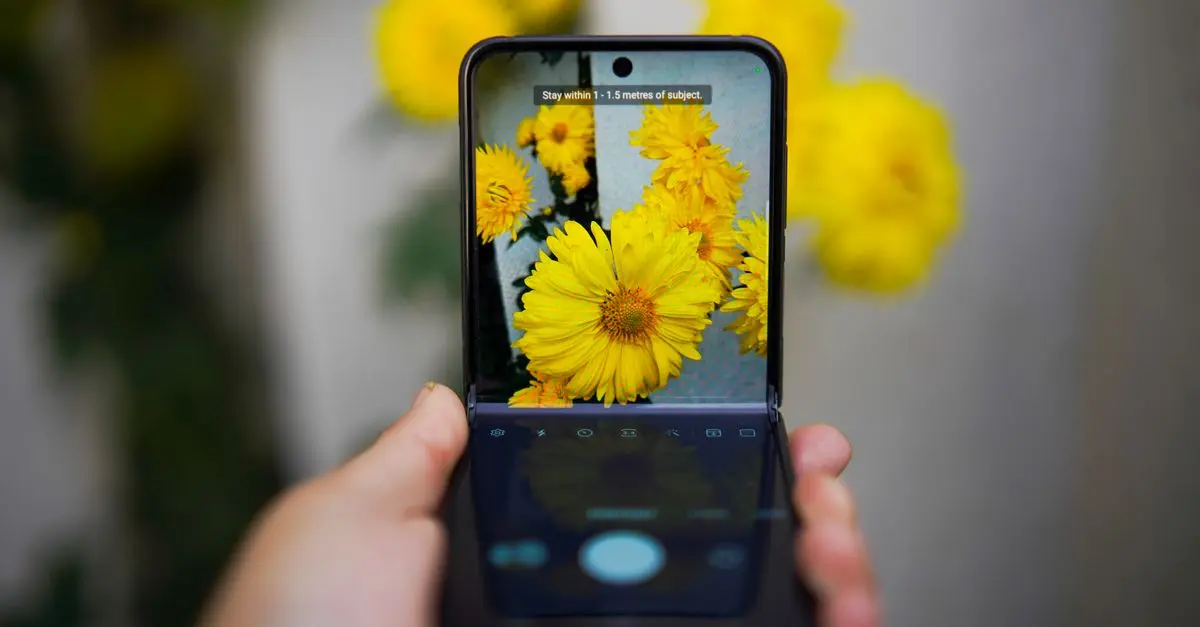
Foldable smartphones have moved from novelty to necessity, capturing a significant share of the market. In 2026, brands like Samsung and Huawei are leading the charge, offering devices that seamlessly combine the convenience of smartphones with the screen size of tablets. These gadgets allow users to enjoy immersive content, multitask more effectively, and enhance productivity.
According to a recent report from Gartner, the foldable smartphone market is expected to grow by 35% annually over the next three years. This surge is attributed to consumer demand for versatility and functionality in one device. The technology behind foldable screens has improved significantly, reducing fragility and enhancing usability. User feedback indicates that the flexibility of foldable devices offers immense benefits for both gaming and productivity.
💡 Expert Opinion: A recent analysis indicated that users who switch to foldable devices report better satisfaction due to the enhanced screen real estate and multitasking capabilities. This trend aligns with the growing need for devices that adapt to varied user environments and tasks.
2. Augmented Reality Integration
Augmented reality (AR) is no longer just a feature; in 2026, it is an essential component of mobile devices. Companies like Apple and Google are investing heavily in AR technology, resulting in apps that blur the line between reality and digital enhancements. Popular AR applications in gaming, navigation, and education are becoming mainstream, making mobile devices indispensable.
Market research from Statista shows that the AR market is projected to reach $200 billion by 2026. The increased accessibility of AR tools and the rise of AR-capable smartphones illustrate the shifting landscape toward immersive experiences. Technologies such as LiDAR sensors in iPhones enhance the AR capabilities of these devices, making them suitable for professional applications in fields like architecture and design.
3. Sustainable Gadgets
As environmental concerns grow, so does the demand for sustainability in technology. In 2026, many manufacturers are adopting eco-friendly materials and practices to attract environmentally-conscious consumers. Apple, for instance, has pledged to use recycled materials in all of its products, leading to a new wave of eco-smart gadgets.
A report by Greenpeace suggests that 70% of consumers prefer buying sustainable products, highlighting the growing market for eco-friendly devices. Features such as energy-efficient processors and solar charging capabilities are becoming popular among eco-friendly smartphones, promoting a greener planet. This shift not only attracts a new customer demographic but also encourages other manufacturers to follow suit.
4. AI-Enhanced Functionality
Artificial intelligence (AI) is increasingly shaping how we interact with our gadgets. From personal assistants like Google Assistant and Siri to predictive text and camera enhancements, AI functionalities are becoming more sophisticated in 2026. These enhancements allow devices to learn from user behavior, offering a personalized experience.
Studies from McKinsey indicate that 80% of smartphone users believe AI greatly improves their device experience. AI-powered cameras can now adjust settings in real-time for optimal photo quality, while smart assistants manage tasks efficiently based on routine patterns. The exponential growth of AI technology in mobile devices is driving user engagement and fostering an even deeper integration of technology in daily life.
5. 5G Expansion and Enhanced Connectivity
The rollout of 5G technology is rapidly transforming mobile devices in 2026. With speeds up to 100 times faster than 4G, 5G is enabling seamless streaming, quicker downloads, and improved gaming experiences. This revolutionary infrastructure supports the growing number of connected devices and the need for instantaneous communication.
According to Cisco, 5G is expected to account for over 50% of global mobile connections by the end of the year. The enhanced bandwidth not only improves mobile experiences but also facilitates innovations in IoT applications, smart cities, and telemedicine. As more devices become 5G capable, the benefits of connectivity will expand, creating opportunities for new services and technologies.
Comparison of Emerging Trends
| Feature | Foldable Devices | Augmented Reality | Sustainable Gadgets | AI Functionalities | 5G Connectivity |
|---|---|---|---|---|---|
| Usability | Versatile, dual-function | Immersive experiences | Eco-friendly | Personalized interaction | Faster communication |
| Market Growth | 35% annually | $200 billion by 2026 | Increasing demand | 80% satisfaction | 50% global connections |
| Leading Brands | Samsung, Huawei | Apple, Google | Apple, others | Google, Apple | All major carriers |
FAQs
Q: What are the main benefits of foldable phones?
A: Foldable phones offer greater screen size, enhanced multitasking capabilities, and unique form factors, appealing primarily to power users.
Q: How is AR changing the mobile landscape?
A: AR is enhancing user experiences in various sectors, including gaming, navigation, and education, making mobile devices more versatile and functional.
Q: Why are sustainability efforts important in mobile gadgets?
A: Consumers increasingly prefer eco-friendly products, driving manufacturers to adopt sustainable practices in response to environmental concerns.
Q: What is the significance of AI in smartphones?
A: AI enhances device functionality by personalizing user interaction, optimizing settings, and improving overall usability based on behavior patterns.
Glossary
| Term | Definition |
|---|---|
| Foldable Devices | Smartphones with screens that can bend or fold, providing a larger display in a compact form. |
| Augmented Reality (AR) | A technology that overlays digital information onto the physical world, enhancing user experiences. |
Checklist before Buying
- [ ] Consider foldable or traditional designs.
- [ ] Research AR capabilities in devices.
- [ ] Evaluate brands’ sustainability practices.
- [ ] Assess AI features available on smartphones.
- [ ] Confirm 5G readiness for future-proofing.
As mobile technology continues to advance at a rapid pace, staying informed about these trends is essential for making wise purchasing decisions. With foldable devices, AI enhancements, and sustainable practices gaining momentum, now is an exciting time for tech enthusiasts and consumers alike! Keep reading for the latest updates and innovations in mobile technology.