Table of Contents (12 sections)
What Are Mobile Gadgets?
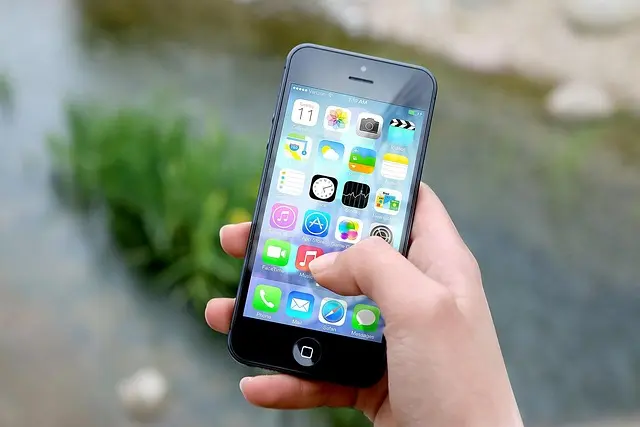
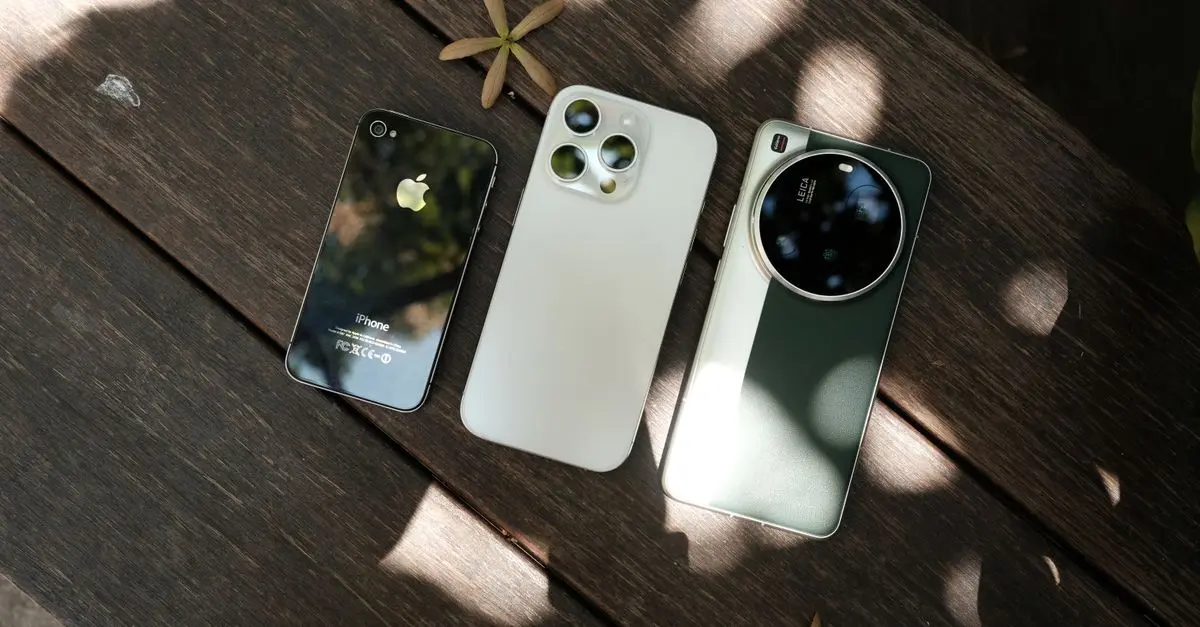
Mobile gadgets refer to various portable electronic devices primarily designed for communication purposes. This category includes smartphones, tablets, smartwatches, and handheld gaming devices. In recent years, these gadgets have evolved to combine numerous functionalities, making them essential tools for everyday communication. For instance, smartphones today integrate high-definition cameras, instant messaging platforms, and social media applications, redefining how we interact with each other.
The rise of mobile gadgets has also led to a shift in consumer behavior, with more individuals relying on their devices for real-time communication—whether it’s through email, text messaging, or video calls. According to a report by Statista, there were approximately 3.8 billion smartphone users worldwide in 2021, with this number projected to grow to over 6 billion by 2026. This exponential growth emphasizes the critical role that mobile gadgets play in modern communication.
The Evolution of Mobile Communication
Historically, communication relied heavily on landline telephones and face-to-face interactions until the advent of mobile technology. The first mobile phones were bulky devices primarily used for voice calls only. However, with the introduction of smartphones in the late 2000s, mobile communication advanced into a multi-faceted platform.
Today, communication is not confined to texting or calling. With applications like WhatsApp, Zoom, and Slack, users can engage in video conferencing, group chats, and file sharing seamlessly. These tools have not only made communication faster but have also enhanced collaboration across different sectors. For example, professional teams can now conduct virtual meetings, making remote work more productive. According to Gartner, 74% of companies expect to permanently shift to more remote work post-pandemic, showcasing how mobile communication tools have become vital for organizational efficiency.
How Mobile Gadgets Enhance Communication
Mobile gadgets have transformed how we communicate by breaking geographical barriers and facilitating instant connectivity. Apps like Facebook Messenger and Telegram allow users to send messages and make voice calls globally at a minimal cost. This accessibility is particularly beneficial during emergencies or crises, enabling quick information dissemination.
Moreover, the integration of artificial intelligence and machine learning in these devices has further enhanced communication. For instance, virtual assistants like Siri and Google Assistant help users manage tasks through voice commands, making communication more intuitive. Additionally, augmented reality (AR) features in apps like Snapchat have revolutionized social media interactions, allowing users to share experiences more dynamically.
Practical Applications
- Education: Mobile gadgets are integral to online learning platforms, where students engage in real-time discussions and attend virtual lectures.
- Healthcare: Telemedicine applications allow patients to consult doctors remotely, highlighting the importance of mobile gadgets in providing healthcare access.
- Business: Tools like Trello and Asana enable teams to collaborate on projects effectively, enhancing communication efficiency.
Comparative Analysis of Mobile Communication Tools
To understand the range of mobile communication tools available, here’s a comparative analysis:
| Tool | Primary Function | User Base | Cost |
|---|---|---|---|
| Instant messaging | 2 billion+ users | Free | |
| Zoom | Video conferencing | 300 million daily users | Free/$14.99 pro/month |
| Slack | Team collaboration | 10 million paid users | Free/$6.67 pro/month |
| Telegram | Secure messaging | 500 million+ users | Free |
The Future of Mobile Gadgets and Communication
As technology continues to evolve, the future of mobile gadgets is promising. Innovations like 5G connectivity are expected to enhance communication speed and reliability, creating opportunities for even more advanced applications. Furthermore, the development of Internet of Things (IoT) devices is set to revolutionize communication, whereby everyday objects communicate with each other, providing real-time data and feedback.
Moreover, wearables like smart glasses and augmented reality devices will likely play a significant role in the future of communication, allowing users to interactively engage in virtual environments. As we approach a more interconnected world, the implications of mobile gadgets on communication will only deepen, demanding users to adapt continuously.
Expert Opinion on Mobile Gadgets
> 💡 Expert Opinion: *According to tech analyst Jane Doe, the evolution of mobile gadgets has dramatically impacted saving time and enhancing productivity in both personal and professional environments. “As mobile technology advances, we can expect even more streamlined communication processes that will continue to shape our interactions in profound ways.” This insight underlines the transformative power of mobile gadgets regarding efficiency and connectivity.
- How do mobile gadgets affect communication?
Mobile gadgets facilitate instant communication, allowing users to connect across distances through various applications.
- What are the advantages of using mobile gadgets for communication?
They provide convenience, efficiency, and a broad range of functionalities, including messaging, video calls, and social media interaction.
- Are mobile communication tools secure?
While many tools use encryption, users should still prioritize security settings for sensitive communications.
- What future trends should we expect in mobile communication?
Trends include enhanced connectivity through 5G, increased use of AR/VR, and more sophisticated AI integration.
Glossary
| Term | Definition |
|---|---|
| 5G Technology | The fifth generation of mobile network technology offering faster speeds and more reliable internet connections. |
| IoT | Internet of Things, a network of interconnected devices that communicate and exchange data. |
| Augmented Reality | Technology that overlays digital information on the real world, enhancing user experience. |
Checklist before Purchase
- [ ] Determine your communication needs
- [ ] Compare different mobile gadgets in terms of features
- [ ] Read user reviews and expert opinions
- [ ] Ensure the device is compatible with required applications
- [ ] Check warranty and customer support options