Table of Contents (14 sections)
Mobile gadgets have transformed significantly since the early days of personal communication devices. The evolution of mobile gadgets reflects not just advancements in technology but also changes in consumer behavior and expectations. From the bulky mobile phones of the 1980s to today's sleek smartphones, our connectivity devices have significantly refined, adapting to our lifestyles. This article provides a comprehensive overview of how mobile gadgets have evolved over decades, highlighting key trends, advancements, and future directions.
Historical Context of Mobile Gadgets
The history of mobile gadgets can be traced back to the early 1980s when the first commercial mobile phone was launched. The Motorola DynaTAC 8000X, released in 1983, was one of the first successful mobile phones, weighing nearly two and a half pounds and costing around $3,995 (approximately $10,000 today, adjusted for inflation).
As the years progressed, technology advanced rapidly. The introduction of digital cellular technology in the 1990s paved the way for more compact and efficient mobile devices. By the late 1990s, flip phones began to dominate the market, offering more features in a lighter package. In the early 2000s, smartphones began to emerge, integrating not just communication capabilities but also internet access, cameras, and multimedia features.
According to Statista, the number of smartphone users worldwide surpassed 3.8 billion in 2021, reflecting a significant growth trajectory. Mobile gadgets have evolved not just in functionality but also in design, with brands competing to create elegant, lightweight, and user-friendly devices. As we look towards the future, it is evident that mobile gadgets will continue to adapt, incorporating even more sophisticated technology to serve our needs.
Technological Advancements Over the Years
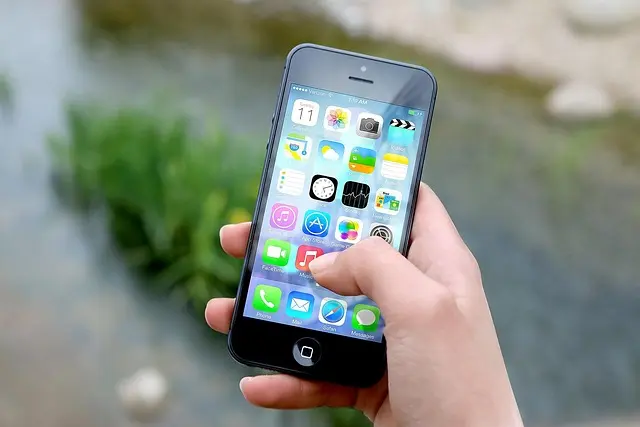
One of the most prominent aspects of the evolution of mobile gadgets is the rapid pace of technological advancements. Early mobile phones were primarily designed for voice communication. However, the introduction of features like SMS texting in the mid-1990s revolutionized how users interacted with their devices. The smartphone revolution commenced with the release of the iPhone in 2007, which set a new standard for mobile technology by integrating a touchscreen, a robust operating system, and access to mobile applications.
Since then, several trends have shaped the market:
- Increased Computing Power: Modern smartphones boast processing capabilities that rival some personal computers. The emergence of multi-core processors and increased RAM has enabled smoother multitasking and complex applications.
- IoT Integration: The rise of the Internet of Things (IoT) has further expanded the functionalities of mobile gadgets, allowing users to control various home devices and appliances directly from their smartphones.
- 5G Technology: The rollout of 5G networks enhances mobile connectivity, offering faster download and upload speeds, significantly improving gaming, streaming, and overall mobile user experience.

Ryka Revolution Rz2 Running Sneakers Illusion Blue Mesh Fabric 6.5 M Lightweight
ryka.com

bali bras Bali Comfort Revolution Wireless Bra Midnight Rouge Swirl 36C
balibras.com

bali bras Bali Comfort Revolution Modern Seamless Wirefree Bra White 3XL
balibras.com
Comparison of Mobile Devices Over the Years
To emphasize the changes in mobile gadgets, we've outlined a comparison chart below detailing selected characteristics of mobile devices throughout different eras.
| Feature | 1990s Mobile Phones | 2000s Smartphones | 2010s Flagships | 2020s Current Devices |
|---|---|---|---|---|
| Screen Size | 1-2 inches | 2.5-3.5 inches | 4.5-6 inches | 6-7 inches |
| Functionality | Calling, basic texting | Calling, texting, email | Multimedia, apps, internet | Integrated AI, VR capabilities |
| Internet Access | None | 2G/3G access | 4G LTE | 5G enabled |
| Battery Life | ~2 hours | 5-8 hours | 10-15 hours | 20+ hours with optimization |
Future Trends in Mobile Gadgets
As we look to the future of mobile gadgets, several trends are emerging that promise to reshape the landscape even further. One major development is the integration of Artificial Intelligence (AI) in mobile devices. AI has the potential to transform user experience, offering smart assistants that understand user habits and preferences, streamline tasks, and enhance productivity.
Moreover, advancements in flexible display technology could lead to foldable or rollable smartphones, providing users with larger screens without sacrificing portability.
As technology continues to evolve, we can also expect enhanced security features such as biometric authentication—facial recognition and fingerprint scanning are becoming standard. The push towards sustainability also means more eco-friendly manufacturing processes and materials will likely influence future designs.
Expert Opinions on Mobile Gadget Trends
> 💡 Expert Opinion: As technology and design continue to converge, the focus for future mobile gadgets will likely be user experience and personalization. According to Gartner, over 25% of consumer mobile devices will have AI capabilities by the end of the decade, indicating a significant shift towards smarter technology. Companies must prioritize user engagement through smart features and seamless design to remain competitive.
What are the most significant innovations in mobile gadgets?
Innovations like touchscreen interfaces, app ecosystems, and AI integration are pivotal in the current mobile gadget evolution.
How is the market for mobile gadgets changing?
The market is increasingly focusing on integration with IoT, enhanced user experience through AI, and sustainability in manufacturing.
What is the future of mobile technology?
The future includes more intelligent devices with enhanced connectivity via 5G and potentially foldable or flexible designs.
How do I choose the right mobile gadget for my needs?
Consider your primary uses, such as gaming, photography, or business, and look for features that enhance those experiences.
Glossary
| Term | Definition |
|---|---|
| Smartphone | A mobile phone that integrates advanced features such as internet access, apps, and multimedia capabilities. |
| IoT (Internet of Things) | A network of devices connected to the internet, allowing them to communicate and interact with each other. |
| 5G Technology | The fifth generation of mobile network technology, providing higher speeds and more reliable internet connections. |


bali bras Bali Comfort Revolution ComfortFlex Fit Seamless 2-Ply Wireless Bra Almond Aztec L
balibras.com

Checklist before purchase
- [ ] Assess your usage needs (gaming, photography, work)
- [ ] Research device specifications and reviews
- [ ] Compare prices and features across models
- [ ] Consider future-proofing with advanced tech (5G, AI)
- [ ] Check for warranty and customer service options
📺 Resource Video
> 📺 For further insights: The Future of Mobile Gadgets, a deep dive into trends shaping tomorrow's devices. Search on YouTube: mobile gadget evolution trends 2026.
📺 Pour aller plus loin : mobile gadget evolution trends 2026 sur YouTube
Recommended products
Selected by our experts

bali bras Bali Comfort Revolution ComfortFlex Fit Shaping Wireless Bra Black L
balibras.com


bali bras Bali Comfort Revolution ComfortFlex Fit Shaping Wireless Bra Black 3XL
balibras.com