Table of Contents (14 sections)
Introduction
The integration of artificial intelligence into mobile gadgets has transformed the way we interact with technology. In 2026, AI mobile gadgets are not merely tools but companions that enhance productivity and streamline daily life. As we explore the current trends, we will uncover the innovations driving this dramatic shift.
The Rise of AI Mobile Gadgets
The trend towards AI mobile gadgets has seen exponential growth in 2026. With approximately 70% of smartphone users now utilizing AI features regularly, the landscape has shifted significantly. AI capabilities, such as voice assistants and intelligent camera systems, have reshaped user expectations. According to a survey conducted by Gartner, 60% of users state that they cannot imagine their lives without AI support on their phones, underscoring a reliance that presents opportunities and challenges for manufacturers.
By integrating machine learning algorithms, mobile devices can analyze user patterns, providing customized experiences. For instance, devices can adapt screen brightness and reflect settings based on user habits. These advancements not only enhance user engagement but also increase device efficiency. The popularization of 5G technology has further facilitated the growth of AI applications, enabling faster data transfer, which complements the immediate responsiveness needed for AI processes.


GreatGadgets LLC Adjustable Laptop Stand For Desk, Stand Up Desk For Laptop With 360 Rotating Legs, Notebook Laptop Riser For Desk Adjustable Laptop
inspireuplift.com
Personalization Through AI
Today, personalization is at the forefront of user experience in mobile technology. AI acts as a powerful tool for tailoring functionality to meet individual needs. Features such as predictive text, app recommendations, and personalized notifications rely heavily on AI's capability to interpret user behavior.
Recent data from Statista reveals that personalized recommendations lead to a 45% increase in user engagement with mobile applications. Additionally, Apple and Google have highlighted their commitment to privacy, allowing users to maintain a level of control over their personalized settings. For instance, Google's AI assistant can learn a user's preferences over time, providing timely reminders for appointments or suggesting routes that factor in traffic conditions. This level of tailored interaction creates a seamless user experience that is increasingly expected in today's mobile gadgets.
AI and User Experience
AI technology is fundamentally reshaping user experience, especially regarding interface design and functionality. The principle of intuitive design is now being enhanced through AI capabilities, allowing for more natural interaction patterns.
Voice recognition features have become a staple in most modern devices. As reported by IDC, voice-activated commands accounted for more than 30% of total smartphone interactions in 2026. Improvements in natural language processing allow devices to understand context better, making conversations feel more fluid. Furthermore, user-centric design has led to voice assistants that can develop contextually aware responses, providing users with information that adapts to their real-time situations.
Moreover, AI's role in augmenting visual experiences cannot be overlooked. From optimized photo resolutions to enhanced gaming graphics, AI technologies are significantly improving how users engage with visual content on their devices.
Trends in AI Mobile Gadgets
Exploring the landscape of AI mobile gadgets, several key trends are emerging in 2026:
| Trend | Description | Impact on Users | Future Predictions |
|---|---|---|---|
| AI-Powered Cameras | Enhancement of image quality using AI algorithms for better photos. | Greater emphasis on mobile photography, leading to higher demand for smartphone cameras. | Continued refinement in low-light photography and image processing. |
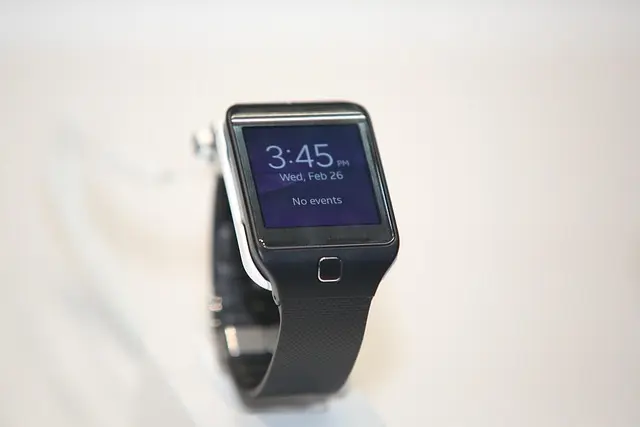
| Smart Wearables | Integration with health monitoring via AI analytics. | Increased focus on personal health management through wearables like smartwatches. | Expansion into preventative healthcare solutions through real-time monitoring. |
| Enhanced Security | AI for user authentication and data protection. | Improved security measures lead to heightened data privacy for users. | Development of intelligent security protocols that evolve with threats. |
| Contextual Awareness | Devices anticipate user needs based on contextual data. | More intuitive interactions that foster a hands-free experience. | Growth of contextual AI devices embedded in everyday objects. |
| Sustainable AI Solutions | Development of energy-efficient AI that minimizes environmental impact. | Users prefer eco-friendly devices, leading to sustainable practices in technology. | Innovations that could lead to carbon-neutral mobile technology solutions. |
The Future of AI in Mobile Devices
Looking ahead, the trajectory of AI integration into mobile gadgets points toward even greater synergies between technology and everyday life. The continued growth of AI capabilities within mobile ecosystems is expected to usher in advanced features that enhance connectivity, security, and user engagement.
The potential for AI to learn from user habits and preferences is significant. As reflected in consumer feedback, there is a growing demand for features that go beyond the conventional, facilitating a deeper connection with the technology. Manufacturers can capitalize on this by innovating AI features that integrate seamlessly into users' daily routines.
Moreover, developments in AI ethics and data privacy will play a crucial role in defining future interactions. Users increasingly desire control over their data, prompting companies to establish transparent practices for data use in AI applications.
What are AI mobile gadgets?
AI mobile gadgets are devices that utilize artificial intelligence to enhance user experiences, offering features such as voice recognition, personalized settings, and adaptive performance.
How is AI changing mobile technology?
AI is transforming mobile technology by enabling smarter functionalities, improving user interfaces, and providing personalized experiences that cater to individual needs.
What trends should I watch for in AI mobile gadgets?
Key trends include AI-powered cameras, enhanced security measures, and contextually aware devices that anticipate user needs.
Will AI improve battery life in mobile gadgets?
Yes, AI technology can optimize battery usage by learning user habits and managing power consumption more efficiently.
GreatGadgets LLC 45 Lock Miter Router Bit 45 Lock Miter Router Bit
inspireuplift.com

SIVACU black wireless Automobile Folding Vacuum Cleaner Hand-held High-power Strong Suction Vacuum Cleaner
shop.simon.com
Glossary
| Term | Definition |
|---|---|
| AI | Artificial Intelligence; systems or machines that simulate human intelligence and perform tasks such as learning and problem-solving. |
| Machine Learning | A subset of AI that involves the use of algorithms and statistical models that enable machines to improve their performance on tasks through experience. |
| Natural Language Processing (NLP) | A technology that enables machines to understand, interpret, and respond to human language in a meaningful way. |
Checklist before Purchase
- [ ] Assess battery life requirements.
- [ ] Consider data privacy and security features.
- [ ] Determine the importance of camera quality.
- [ ] Look for personalization options in AI features.
- [ ] Evaluate compatibility with other devices.
📺 For further exploration: [AI Impact on Mobile Gadgets: Innovations and Future Trends], an in-depth examination of how AI is reshaping the mobile landscape. Search on YouTube: "AI mobile gadgets trends 2026".
📺 Pour aller plus loin : AI mobile gadgets trends 2026 sur YouTube
Recommended products
Selected by our experts

SIVACU white wireless Automobile Folding Vacuum Cleaner Hand-held High-power Strong Suction Vacuum Cleaner
shop.simon.com
Reliance 30 gal 30000 BTU Natural Gas/Propane Mobile Home Water Heater
acehardware.com