Table of Contents (15 sections)
In 2026, the world of smart wearable gadgets has witnessed exponential growth. These devices have become integral to personal health, daily productivity, and entertainment. With their innovative features and seamless integration with our mobile gadgets, smart wearables are reshaping how we interact with technology. It’s essential to explore this rapidly evolving domain to understand its implications for the future.
What Are Smart Wearable Gadgets?
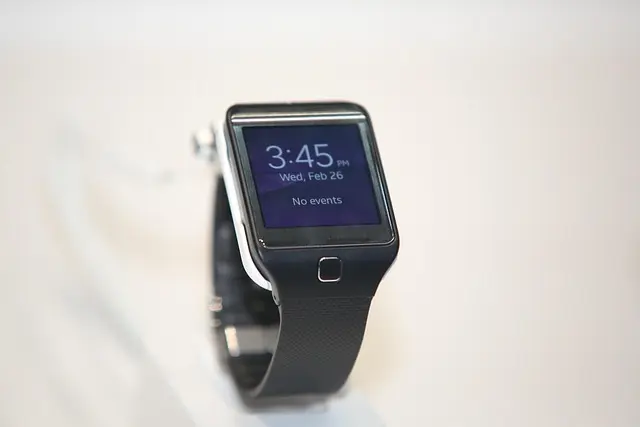
Smart wearable gadgets are electronic devices worn on the body, often equipped with sensors, software, and other technologies that enable connectivity and data exchange. Common examples include smartwatches, fitness trackers, and health monitoring devices.
The significance of these gadgets lies in their ability to provide real-time insights into individual health metrics, facilitate communication, and enhance the overall user experience. For instance, smartwatches can track heart rates, monitor sleep patterns, and even notify users about incoming messages and calls.
The Evolution of Smart Wearables
Initially, wearable technology was limited to simple fitness trackers. However, developments in artificial intelligence and machine learning have transformed them into sophisticated devices. According to a report from Grand View Research, the global wearable technology market is expected to reach $60 billion by 2027, with a significant portion attributed to smart gadgets.
This growth is largely driven by increased consumer demand for health monitoring devices, coupled with innovations from tech giants. Public interest in fitness and wellness also prompts more individuals to embrace these devices as essential lifestyle tools.
Key Trends in Smart Wearable Gadgets for 2026
1. Health and Wellness Monitoring
One of the most significant trends in 2026 is the focus on health and wellness monitoring. Devices are now equipped with advanced sensors capable of tracking blood sugar levels, sleep quality, and even stress levels. For instance, some wearables can now alert users to irregular heartbeats or significant deviations in vital signs that may indicate underlying health issues.
A recent study by Frost & Sullivan indicated that over 70% of consumers now consider health-related features as critical when purchasing smart wearables. This growing emphasis on personal health has led to partnerships between tech firms and healthcare providers to facilitate data sharing, ultimately enhancing patient care.
2. Enhanced Connectivity and Integration
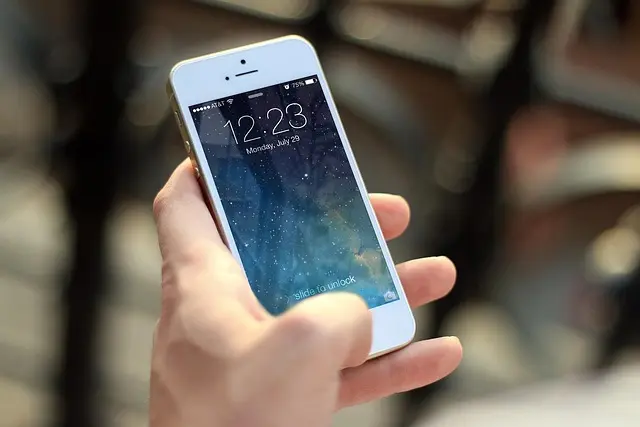
The integration of smart wearables with mobile gadgets continues to evolve. In 2026, many devices operate seamlessly with smartphones, tablets, and even home assistants, creating a connected ecosystem. Features like hands-free calling, voice command, and real-time notifications have improved user experience significantly.
Furthermore, using 5G technology enables faster data transfer rates, allowing wearables to provide real-time updates and functionalities without delay. This level of integration ensures users can manage their digital lives more efficiently and effectively.
3. Focus on Data Privacy and Security
As the demand for smart wearable gadgets rises, so does concern regarding data privacy and security. In recent years, there have been notable incidents where personal data from wearables was compromised. In response, manufacturers are focusing on enhancing their security protocols and offering users better transparency regarding data collection and usage.
Legislation is also catching up; frameworks like the General Data Protection Regulation (GDPR) in Europe impose strict guidelines on how personal data is handled. Consumers, too, are becoming more knowledgeable about their rights, prompting companies to prioritize robust security measures in their products.
4. Fashion Meets Functionality
The design of smart wearable gadgets is evolving, prioritizing aesthetics alongside functionality. They're moving from solely being practical devices to fashionable accessories. Leading brands are collaborating with fashion designers to create wearable tech that doesn't compromise style for substance.
Statistics show that over 50% of consumers cite design as a critical factor in their purchasing decisions for wearables. The trend has led to the development of customizable gadgets, allowing users to express their unique style while enjoying the advanced functionalities of smart wearables.
5. Sustainability in Wearable Technology
Sustainability has become a crucial consideration in the technology sector, and smart wearables are no exception. As consumers grow more environmentally conscious, manufacturers are beginning to produce devices using sustainable materials and promoting recycling programs. Initiatives aimed at reducing the carbon footprint of production processes are more prevalent, encouraging eco-friendly consumption.
A report by Statista highlighted that 40% of consumers prefer brands that are mindful of their environmental impact. As a result, companies are increasingly incorporating sustainability as part of their core values and product development processes.


Comparative Analysis of Popular Smart Wearables
| Feature | Smartwatch A | Smartwatch B | Fitness Tracker | Verdict |
|---|---|---|---|---|
| Health Monitoring | Yes | Yes | Yes | All devices excel here. |
| Style Options | Limited | Versatile | Basic | Smartwatch B wins. |
| Battery Life | 24 hours | 48 hours | 5 days | Fitness Tracker wins. |
| Connectivity | Excellent | Good | Limited | Smartwatch A performs best. |
The rise of smart wearable gadgets is reshaping how we interact with technology in our daily lives. With advancements in health monitoring, connectivity, and sustainability, wearables are becoming not just gadgets but essential components of our lifestyles. As technology progresses, the scope of these devices is set to expand further.
For those looking to enhance their tech experience, we have selected several products that cater to various needs and preferences. Discover our recommendations below to find the perfect fit for your lifestyle.
📺 Resource Video
> 📺 To go further: Explore the latest trends in wearable technology and how they affect our daily lives. Search on YouTube: smart wearable gadgets 2026 trends.
Glossary
| Term | Definition |
|---|---|
| IoT (Internet of Things) | A system of interrelated devices that communicate and exchange data. |
| Wearable Technology | Any electronic device worn on the body that collects data and connects to the internet. |
| Biometrics | Technology that measures and analyzes biological data used for identification or access control. |
Checklist before purchase
- [ ] Determine required features (health, communication, style).
- [ ] Compare different brands for quality and functionality.
- [ ] Verify warranty and customer service policies.
- [ ] Read user reviews for insights.
- [ ] Consider compatibility with other devices.
🧠 Quick Quiz: What is the primary function of smart wearable gadgets?
- A) Fashion accessory
- B) Health monitoring
- C) Gaming device
Answer: B — Smart wearables primarily focus on health monitoring and enhancing connectivity.
📺 Pour aller plus loin : smart wearable gadgets 2026 trends sur YouTube

Female App Wireless Remote Control Wearable Vibrator Insertable Strong Vibration Silent Sex Toy Masturbator
Voghion Global

Recommended products
Selected by our experts

TheTouchPoint Solution™ TouchPoints Essentials Stress-Relief Wearable Device
sleeplay.com

eufy Portable Milk Warmer E10 & Portable Milk Cooler E10 eufy Wearable Breast Pump S2 Pro & Portable Milk Cooler E10
eufy.com


eufy 17mm Sizing Insert (2-Pack) for Wearable Breast Pump E10/E20/S1/S1 Pro E10/E20/S1/S1 Pro Original 17mm Sizing Insert (2-Pack)
eufy.com