Table of Contents (15 sections)
The world of wearable technology is rapidly evolving, and as we step into 2026, several innovations are paving the way for a new era of personal devices. From smartwatches to health trackers, these gadgets are not just trends but essential tools that are changing how we manage our daily lives. Today, we will explore the most significant advancements in wearable tech and how they are impacting personal health, social interactions, and even work productivity.
Information: Understanding Wearable Technology
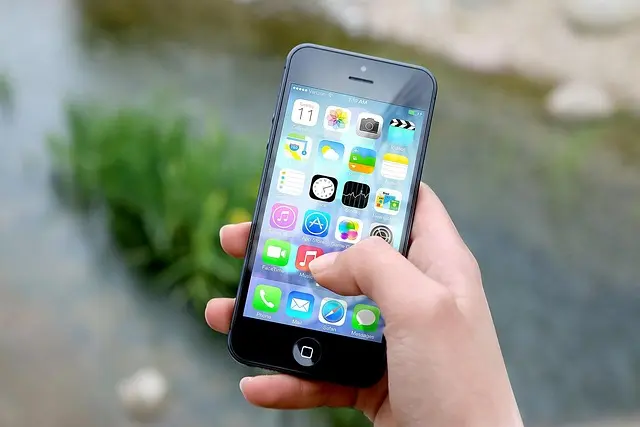
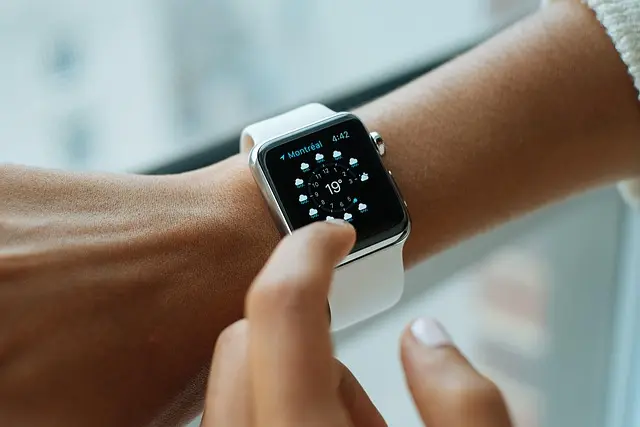
Wearable technology refers to electronic devices that can be worn on the body, integrated seamlessly into the wearer’s lifestyle. These gadgets include smartwatches, fitness trackers, augmented reality glasses, and health-monitoring devices. The evolution of these tools has not just been about convenience; it has also been about enhancing our interaction with technology in meaningful ways.
In recent years, the demand for wearables has increased significantly. According to Statista, the global market for wearables is expected to reach approximately $100 billion by 2026. This includes health and fitness tracking, mobile connectivity, and even smart apparel that monitors vital signs like heart rate and oxygen saturation.
Importance of Wearable Technology
Wearable technology's relevance extends beyond simple functionality. They enable real-time health monitoring, which can lead to early detection of medical conditions and better management of chronic diseases. Devices like smartwatches can now alert users about irregular heartbeats, while fitness trackers can provide insights into overall physical activity levels, making them crucial for personal health management.
Procedural: How Wearable Devices Work
Understanding how to use wearable devices effectively can enhance their benefits. Here’s a simple step-by-step guide on how to maximize the use of wearable technology:
- Choose the right device: Based on your needs—fitness tracking, health monitoring, or connectivity.
- Sync with an app: Most wearables require connection to a companion app, enriching their functionality.
- Set personalized goals: Utilize the data collected by the devices to set and achieve personal milestones.
- Review regularly: Check the collected data frequently to monitor progress and adjust goals as necessary.
- Stay updated: Regular software updates can enhance performance and introduce new features.
By following these steps, users can fully leverage wearable technology's potential for improved health and productivity.


eufy Wearable Breast Pump S2 Pro & Portable Milk Cooler E10 eufy Wearable Breast Pump S2 Pro & Portable Milk Cooler E10
eufy.com

eufy Portable Milk Warmer E10 & Portable Milk Cooler E10 eufy Wearable Breast Pump S2 Pro & Portable Milk Cooler E10
eufy.com
Comparative: Wearable Tech Options
To give a better understanding of the current landscape in wearable technology, let’s compare some popular devices focusing on their specific features:
| Feature | Smartwatch | Fitness Tracker | AR Glasses | Health Monitor |
|---|---|---|---|---|
| Battery Life | 1-2 days | 5-7 days | 4 hours | Variable |
| Health Tracking | Good | Excellent | Limited | Excellent |
| Notifications | Yes | Limited | Yes | No |
| Customization | High | Low | Medium | Low |
| Price Range | $200-$800 | $50-$300 | $500-$2,000 | $100-$500 |
Analytical: Trends in Wearable Technology
The wearable tech industry is witnessing several key trends as we move through 2026. Here are some of the most significant:
- Health Monitoring – As previously mentioned, health tracking is becoming increasingly sophisticated. Innovations in sensors enable continuous monitoring of critical health metrics without invasive procedures.
- Integration with AI – The use of artificial intelligence is elevating wearable technology. Devices that utilize AI can provide personalized insights based on users’ activity patterns and health data.
- Smart Clothing – Wearable technology is moving beyond traditional devices with smart fabrics that can monitor health metrics in real-time. For example, smart shirts now track heart rates and respiratory rates efficiently.
- Sustainability – Many companies are shifting their focus toward sustainable manufacturing for wearable tech. This includes using recyclable materials and energy-efficient production processes, appealing to environmentally conscious consumers.
- AR and VR Integration – The future of wearables also includes augmented reality (AR) and virtual reality (VR). These technologies are being incorporated into wearables, enhancing user experiences in areas like fitness, gaming, and workplace productivity.
According to Gartner, the adoption of wearable technology is set to multiply in the coming years, with a projected annual growth rate of over 25% from 2024 to 2026. This growth stems from a deeper penetration of health-focused devices in the market and increasing consumer acceptance of wearing technology daily.
What is wearable technology?
Wearable technology refers to electronic devices that are comfortably worn on the body, often providing services such as fitness tracking and health monitoring.
How can wearable technology impact health?
Wearable devices can monitor vital signs and physical activity levels, enabling users to manage their health more effectively.
Are wearable devices suitable for everyone?
While wearable technology can benefit most people, particularly those with specific health tracking needs or fitness goals, they may not be essential for everyone.
What features should I look for in a wearable device?
Consider factors such as battery life, health tracking capabilities, connectivity options, and how customizable the device is to ensure it meets your needs.
Checklist Before Purchase
- [ ] Determine your primary objective for the wearable device.
- [ ] Evaluate battery life vs. functionality.
- [ ] Consider the subscription costs for app features (if applicable).
- [ ] Read customer reviews for reliability and performance.
- [ ] Look for warranty and support options from the manufacturer.
📺 Resource Video
📺 For further exploration: Innovations in Wearable Technology for 2026, dive deeper into the transformations that wearable tech is undergoing. Search on YouTube for: “wearable technology advancements 2026”.


eufy Breast Pump S1 Pro & Original Duckbill Valves (4-Pack) eufy Breast Pump S1 Pro & Original Duckbill Valves (4-Pack)
eufy.com

Glossary
| Term | Definition |
|---|---|
| Wearable Technology | Electronic devices worn on the body that can track data related to health, fitness, or connectivity. |
| Health Tracker | A wearable device specifically designed to monitor health-related metrics such as heart rate or steps. |
| Smart Fabric | Clothing embedded with technology that can track performance metrics and communicate with devices. |
Conclusion
The rise of wearable technology is not just a trend; it is a growing industry that is set to revolutionize how we interact with our environments, manage our health, and enhance productivity. With continual advancements, it’s essential to stay informed about these innovations, as they may significantly improve our everyday lives. As we explore the future of wearable tech, consider integrating these tools into your daily routine to benefit from a more informed, health-conscious lifestyle. Discover our recommendations below for products suited to your needs.
📺 Pour aller plus loin : What is dominating the health tech agenda in 2026? | BBC News sur YouTube
Recommended products
Selected by our experts

eufy Breast Pump S1 Pro & Original Diaphragm (2-Pack) eufy Breast Pump S1 Pro & Original Diaphragm (2-Pack)
eufy.com


eufy Breast Pump S1 Pro & Original 27mm Flange (2-Pack) eufy Breast Pump S1 Pro & Original 27mm Flange (2-Pack)
eufy.com


eufy Breast Pump S1 & Milk Bags(120 Pieces) eufy Breast Pump S1 & Milk Bags
eufy.com

Plaud NotePin AI Voice Recorder, Voice Recorder with Additional Accessory Replacement Set, Transcribe & Summarize with AI Technology, 64GB Memory
plaud.ai