Table of Contents (12 sections)
What is Wireless Charging?
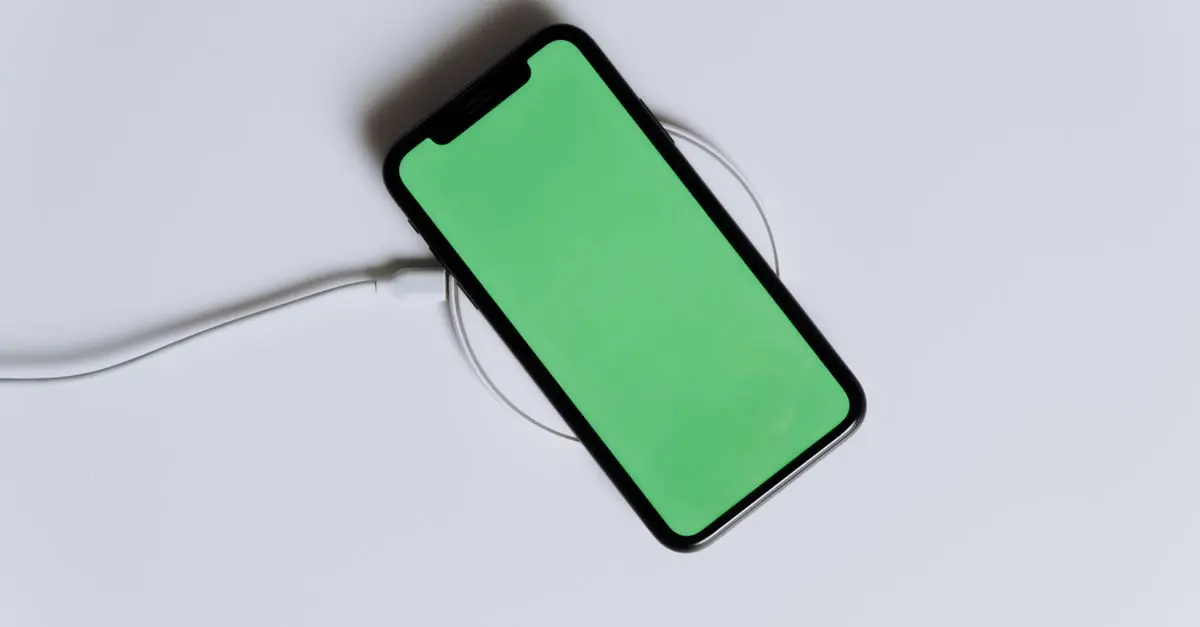
Wireless charging is a technology that allows you to charge electronic devices without the need for physical cables. Essentially, it utilizes electromagnetic fields to transfer energy between two coils—one in the charging dock and another embedded in the device itself. This eliminates the hassle of plugging and unplugging devices, promoting ease of use and convenience.
The technology has evolved significantly in recent years, becoming more widespread across smartphones, smartwatches, and other mobile gadgets. According to UFC-Que Choisir, around 50% of smartphones sold in 2026 support wireless charging, a notable increase from previous years. This method of charging is particularly useful when you are on the go or in a hurry, allowing for quick charging at designated stations, such as cafes or public charging hubs.
Additionally, wireless charging is often linked with advancements in fast charging technology, which can provide a significant boost to your device’s battery life in a short amount of time. However, many consumers still wonder if this technology is genuinely beneficial or if traditional charging methods are still preferable.
How Does Wireless Charging Work?
Wireless charging operates on a principle called electromagnetic induction. This consists of two main components: a transmitter (the charging pad) and a receiver (the device). When the device is placed on the charging pad, an alternating current passes through the transmitter coil, generating a magnetic field. This magnetic field induces a current in the receiver coil, which then charges the device's battery.
Here’s a step-by-step breakdown of how wireless charging works:
- Alignment: For efficient charging, the device must be correctly aligned with the charging pad.
- Charging Initiation: Once the device is in place, the transmitter starts generating a magnetic field.
- Induction: The magnetic field induces electrical current into the receiver coil within the device, charging the battery.
- Energy Transfer: The efficiency of this process depends on the distance between the transmitter and receiver coils. Optimal charging occurs when the coils are in close proximity.
While this process may seem convenient, it's essential to acknowledge that it may not always be the fastest charging method available. Users should consider their charging needs and make informed decisions based on their usage habits.
Comparison of Wireless Charging Options
Let's delve into a comparison of different wireless charging methods, focusing on Qi, PMA, and AirFuel technologies. The following table outlines the key features:
| Criteria | Qi Standard | PMA Standard | AirFuel Standard | Verdict |
|---|---|---|---|---|
| Charging Speed | Up to 15W | Up to 15W | Up to 10W | Qi & PMA are faster |
| Compatibility | Widely adopted | Limited adoption | Moderate adoption | Qi is most popular |
| Cost | Generally lower | Higher cost | Similar to Qi | Qi is the best value |
| Range | Close proximity only | Close proximity only | Slightly longer range | All are similar |
Wireless Charging Advantages
The advantages of wireless charging are varied, making it a valuable option for many users. Here are the main benefits:
- Convenience: Users can simply place their devices on the charging pad without fumbling with cables, making it easier to quickly charge while working or during meals.
- Reduced Wear and Tear: Without disconnecting cables regularly, the ports on devices remain in much better condition, resulting in potentially longer device lifespans.
- Multiple Device Charging: Certain wireless chargers accommodate multiple devices at once, providing the ability to charge a phone, smartwatch, and earbuds simultaneously.
- Design Appeal: Many wireless charging pads feature sleek and modern designs, offering a stylish addition to desks or bedside tables.
Wireless Charging Disadvantages
Despite the conveniences, wireless charging has its drawbacks:
- Charging Speed: Although improvements have been made, wireless charging tends to be slower compared to traditional wired methods, especially for devices that require fast charging.
- Heat Generation: Wireless charging can generate more heat than wired charging, potentially impacting battery performance over time. Users should monitor their devices during charging to prevent excessive heat build-up.
- Cost: While the price of wireless charging pads is decreasing, they can still be more expensive than traditional chargers. Some higher-end models are often sold at a premium.
- Positioning Sensitivity: Misalignment can lead to inefficient charging or complete failure to charge, which could be frustrating for users in a hurry.
Expert Opinions
> 💡 Expert Opinion: Dr. Sarah Nguyen, a technology analyst at Tech Insights, notes, "While wireless charging makes life easier, users should be aware of the limitations. It's perfect for casual charging but might not replace wired methods for those needing fast battery recovery."
- Is wireless charging safe?
Yes, wireless charging is generally safe when using certified devices and chargers.
- How long does it take to fully charge a device wirelessly?
Charging times vary; typically it takes 3-4 hours depending on the device and pad.
- Can I use a phone while it's wireless charging?
Yes, most wireless chargers enable phone usage during charging, but it may slow the charging process.
- Are all smartphones compatible with wireless charging?
No, only smartphones that have integrated wireless charging technology are compatible.
Glossary
| Term | Definition |
|---|---|
| Wireless Charging | Technology for charging devices without physical connectors using electromagnetic fields. |
| Induction | Process of generating a current in a conductor via a changing magnetic field created by a charger. |
| Qi Standard | A widely used standard for wireless charging that supports various devices from multiple manufacturers. |
Checklist Before Purchase
- [ ] Check device compatibility with wireless charging.
- [ ] Determine charging speed needs based on usage.
- [ ] Research reliable brands and models.
- [ ] Assess budget considering the cost of charging pads.
- [ ] Look for certifications to ensure safety and performance.
Quick Quiz
> 🧠 Quick Quiz: What is the primary benefit of wireless charging?
> - A) Faster charging speed
> - B) Convenience
> - C) Cost-effectiveness
> Answer: B — Wireless charging is primarily valued for its convenience over traditional methods.
📺 Resource Video
For further insights, watch this video: [Exploring Wireless Charging for Modern Gadgets], a comprehensive analysis on wireless charging technologies. Search for: "2026 wireless charging guide".